


You don’t need the perfect words to start
A lot of people put off calling a psychiatrist or psychologist because they don’t know how to describe what’s wrong. They wait until they can sum it up in a sentence — until they have a word for it, or a clear story of when it started. If that’s you, here’s the short version: you don’t need any of that to begin.
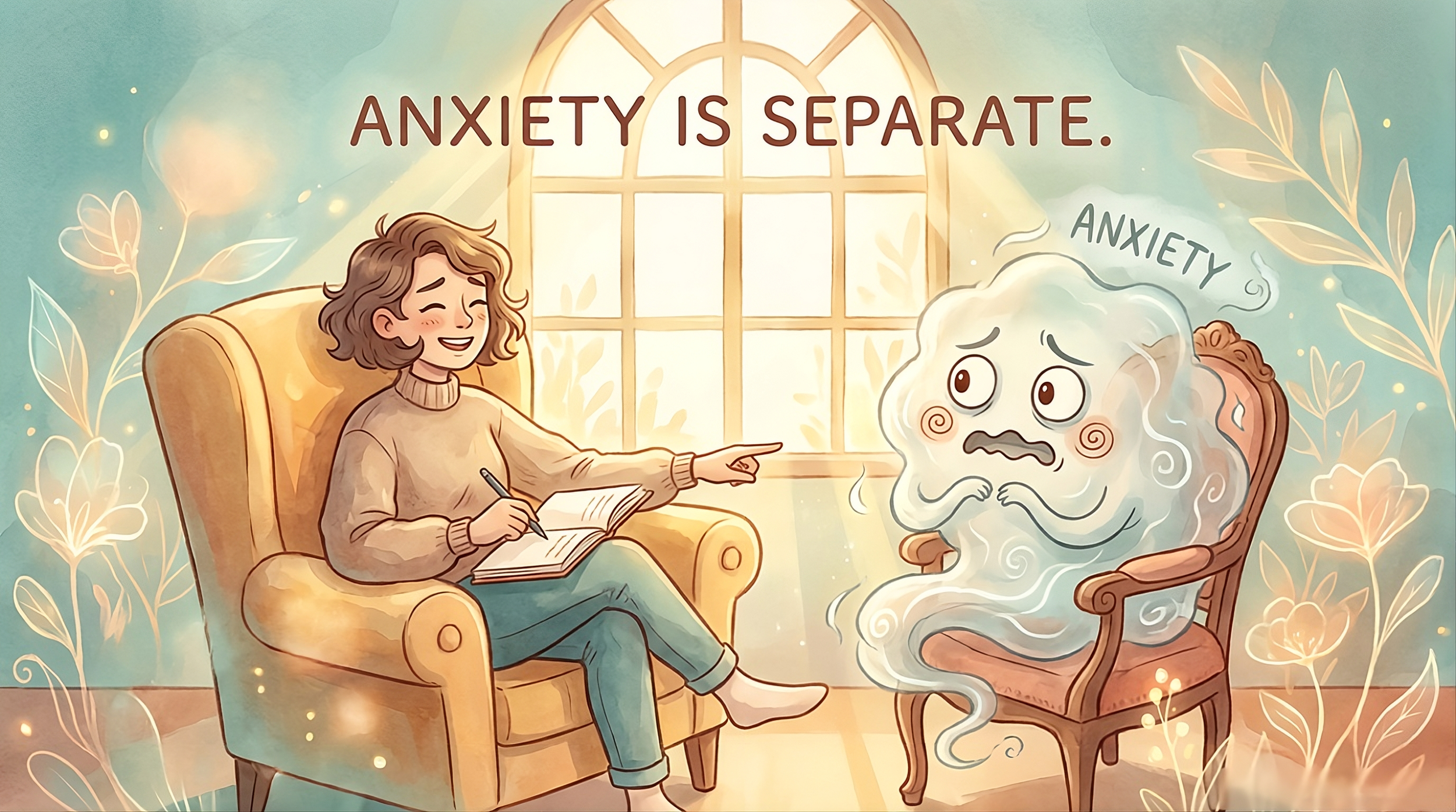


What Is Your Story? Bringing It All Together (Part 6 of 6)
The final part brings the series together around one question: “What is your story?” It looks at why a personal story can hold far more than a diagnosis, and how it can guide care.

What Are Your Strengths? The Resources You Already Carry (Part 5 of 6)
The Power Threat Meaning Framework doesn’t only ask about difficulty. Part 5 turns to the strengths, relationships and resources you already carry, and how they shape recovery.

What Did You Have to Do to Survive? Symptoms as Strategies (Part 4 of 6)
Like a tree bending on a windswept cliff, people adapt to what they have lived through. Part 4 looks at how many symptoms make sense as strategies for surviving threat, rather than as signs that something is broken.

What Sense Did You Make of It? Understanding Meaning (Part 3 of 6)
We are meaning-making creatures. Human beings don’t just experience events — we interpret them, almost instantly and often unconsciously

How Did It Affect You? Understanding Threat (Part 2 of 6)
We all need safety, connection, some control over our lives and a sense that we matter. Part 2 looks at how adversity threatens these core needs, and how that threat can show up as distress.

What Has Happened to You? Rethinking Distress, One Question at a Time (Part 1 of 6)
Most mental health care starts by asking “What’s wrong with you?” The first part of our series on the Power Threat Meaning Framework asks a different question, “What has happened to you?”, and explains why it can change how distress is understood.

Your first psychiatry appointment: what actually happens
Booking a first psychiatry appointment can feel daunting. This guide explains what happens in the session, what you leave with, three things that help you prepare, and what stays private.

Recognizing the Signs of Depression — and When It’s Time to Reach Out
Depression is more than feeling sad. This post describes how it often shows up, why people wait longer than they need to before asking for help, and how to reach support, including online.